










Structure from messy reality
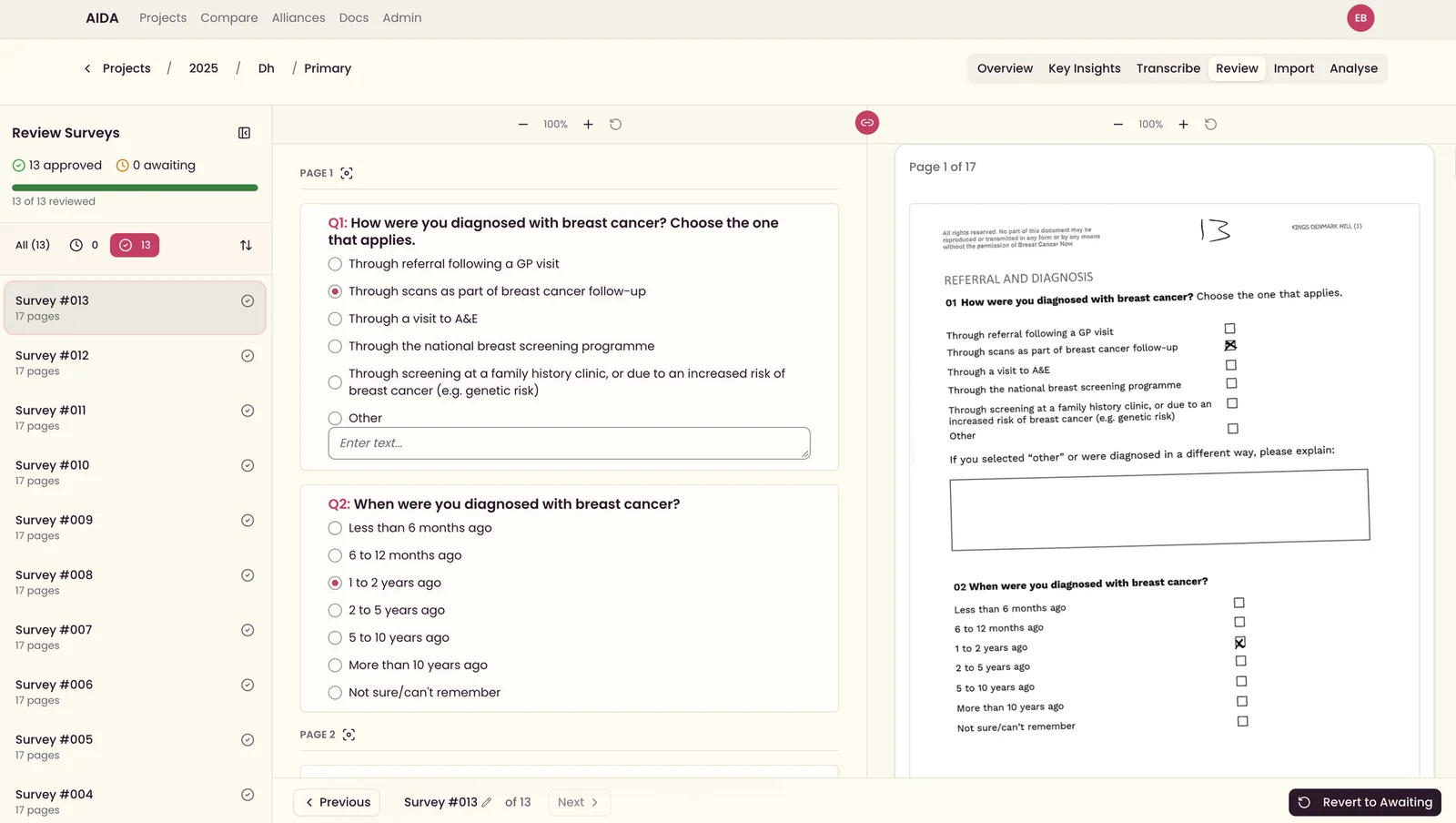
Emails, PDFs, voice notes, surveys and case notes become structured records.
Agentic systems for charity teams
We build agentic systems for charity teams, one routine job at a time. Your team approves; every output traces back to source.
Who we work with


See the system work
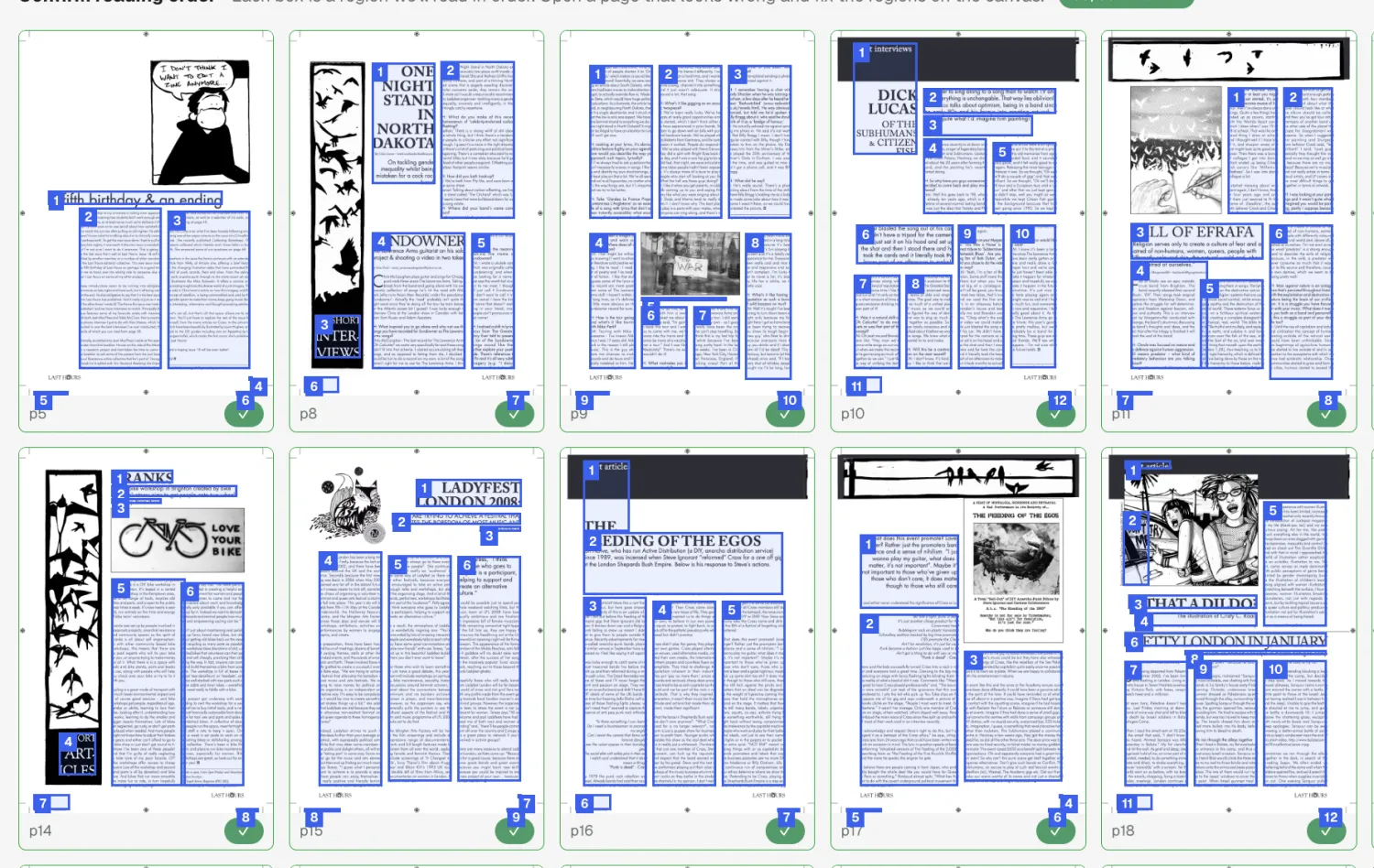
Messy inputs in. A structured record out. A person signs off. Every figure traces back to source.
Emails, voicenotes, PDFs, surveys: whatever your team actually gets.
The problem
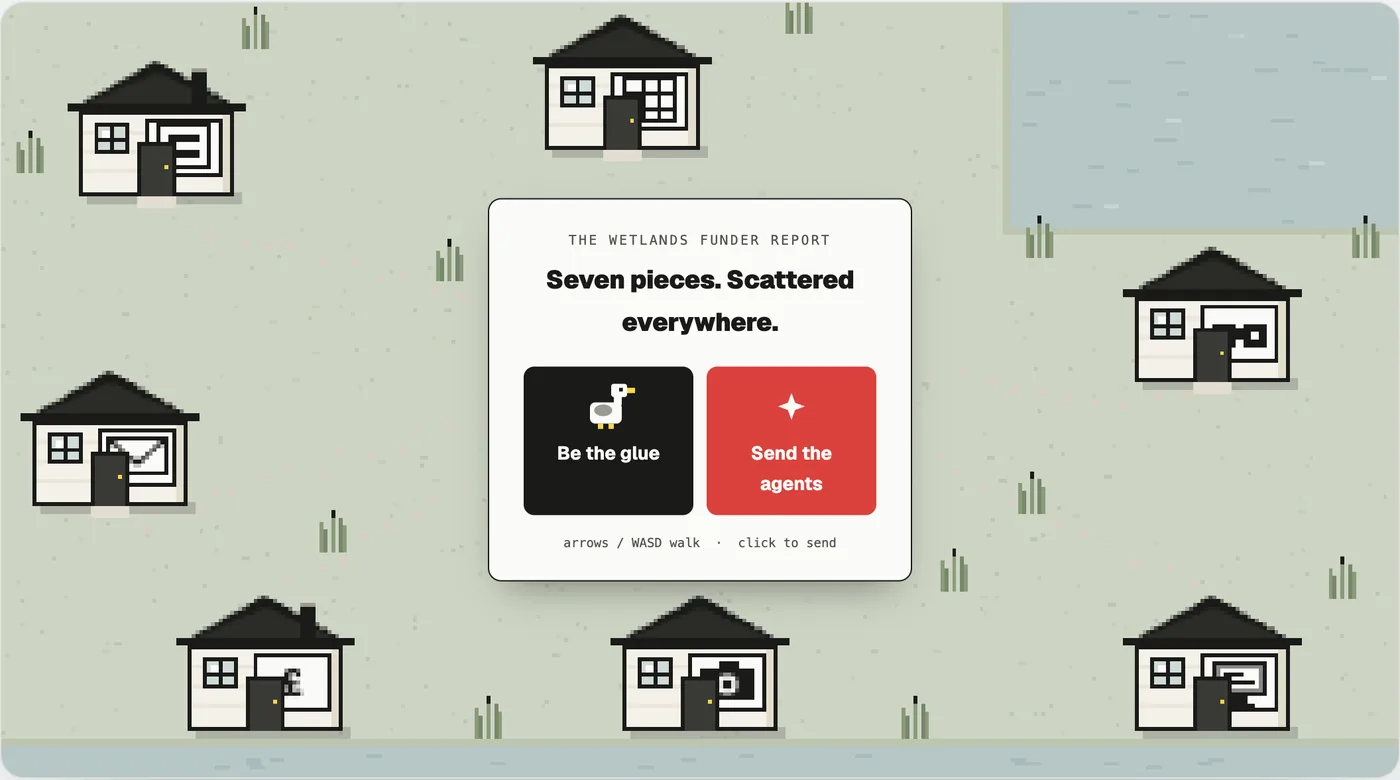
Pulling figures out of separate systems, reconciling spreadsheets, chasing the version that’s current. The writing is the quick part. The coordination is the week.
It’s a pattern right across charity work. The time that could go on donors or beneficiaries goes instead on moving data between systems and gluing them together by hand. That isn’t only slow, it’s unreliable: work has to be checked, verified and often redone. Data sits in the gaps between tools, and accountability rests on whoever happens to be holding it in their head. The result is uncertainty, and decisions made late or made tentatively.
What we do
“Can you defend the number?” is the question that matters - to a trustee, a funder, the people you serve. So we build the answer in: the routine work becomes a system that does it, the week becomes about an hour, and every figure that comes out is one you can stand behind.
Restricted spend this quarter: £74,210
Checkable by you, line by line. We don’t claim zero errors - no honest system can. We make every figure defensible.
The principles
Emails, PDFs, voice notes, surveys and case notes become structured records.
The reports and figures your funders need, produced the same way every time, not scrambled together each quarter.
Every output traces back to its source. The audit trail is part of the product, not an afterthought.
A person signs off at every step that matters. Nothing leaves without your decision.
Your questions
Caution is the right instinct with work like this. Each one already has a deliberate answer - built into how the system works, not bolted on afterwards to reassure you.
Who’s behind it
Make Sense Of It has spent three years building AI systems for UK charities. Different jobs, the same shape underneath: messy inputs in, a defensible result out, a person signing off.
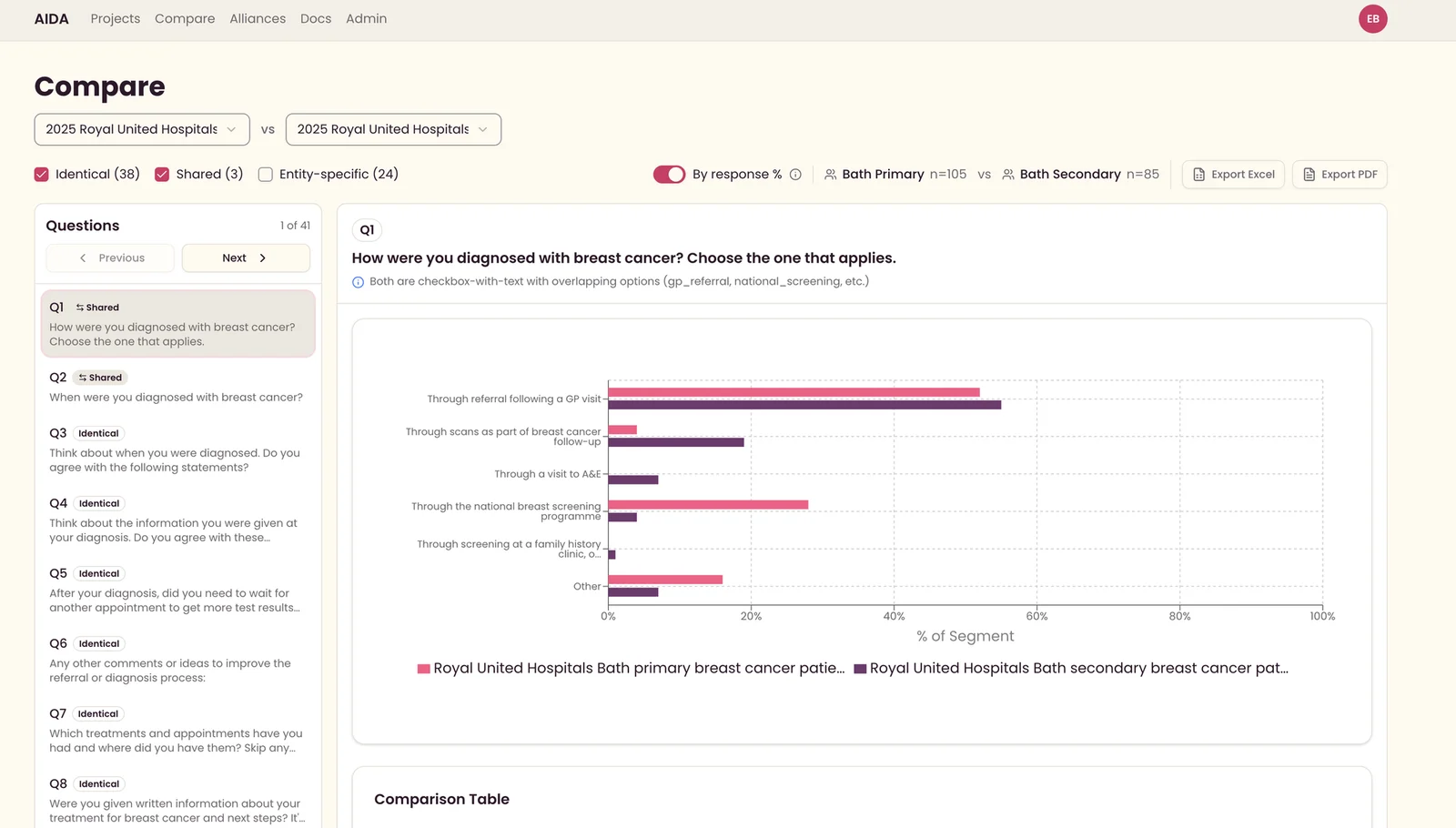
Frontline feedback from breast cancer services, turned into evidence the team can act on - every voice, not a sample of them.
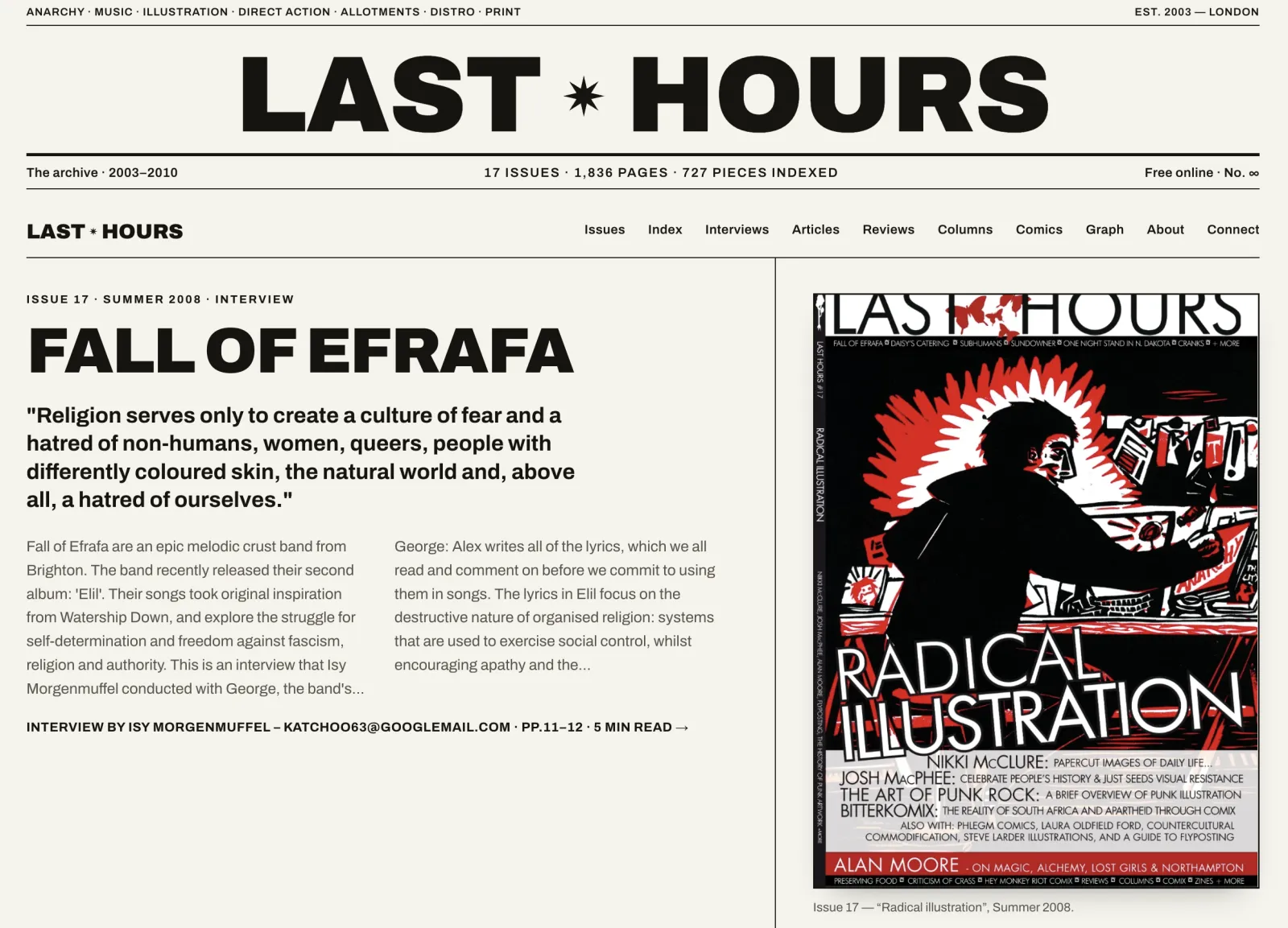
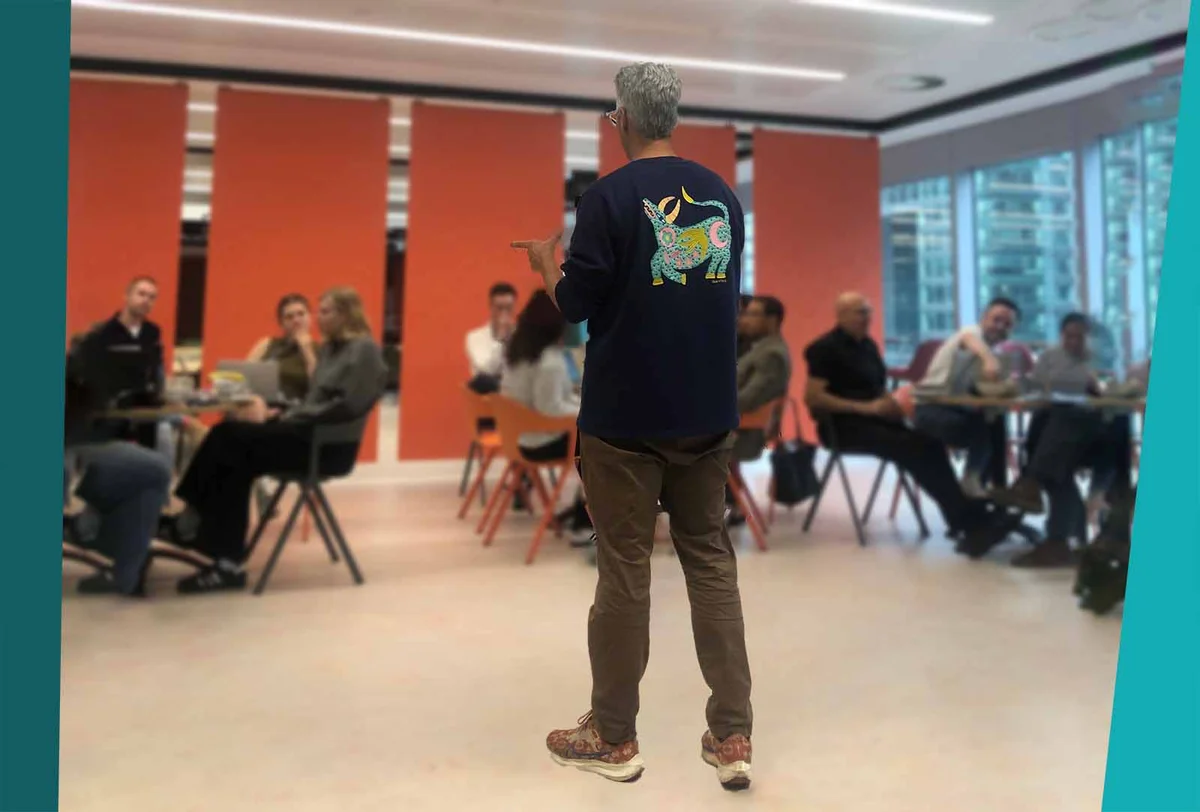
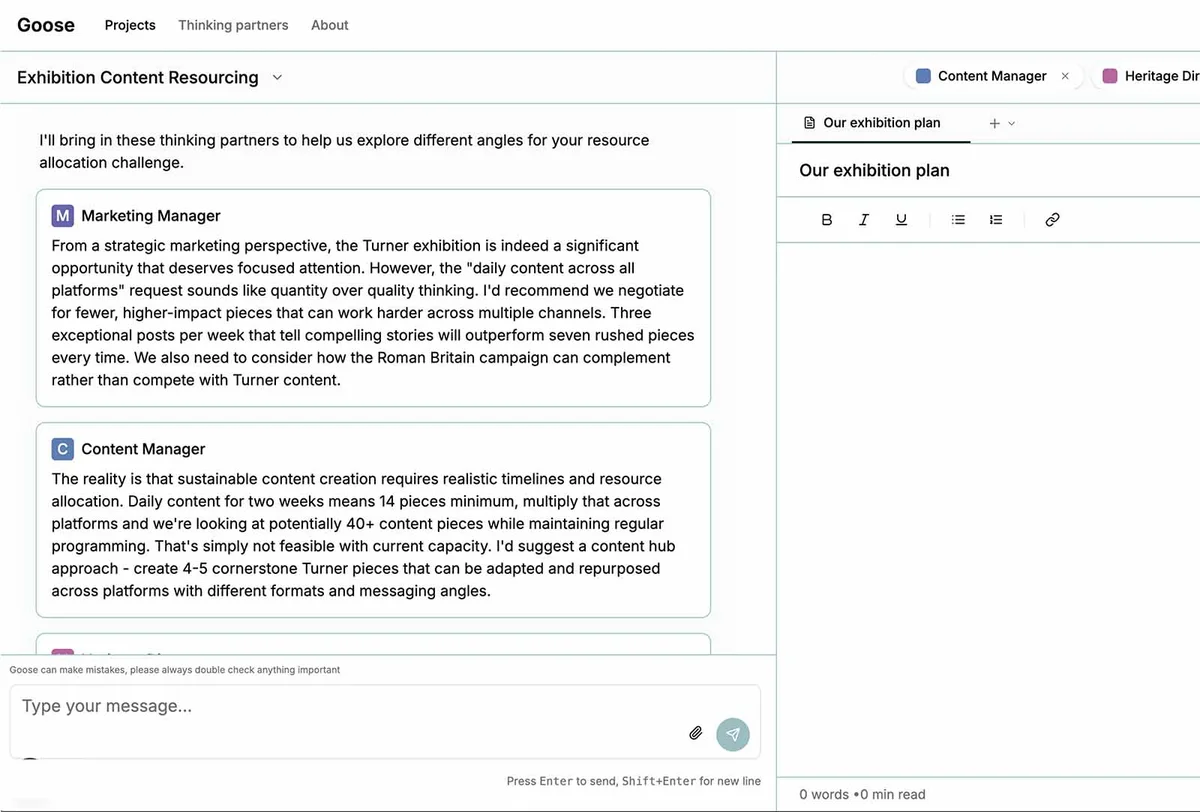
Read the case study →Goose helps heritage organisations across the Fund’s network think through their work - now used by more than 40 of them.
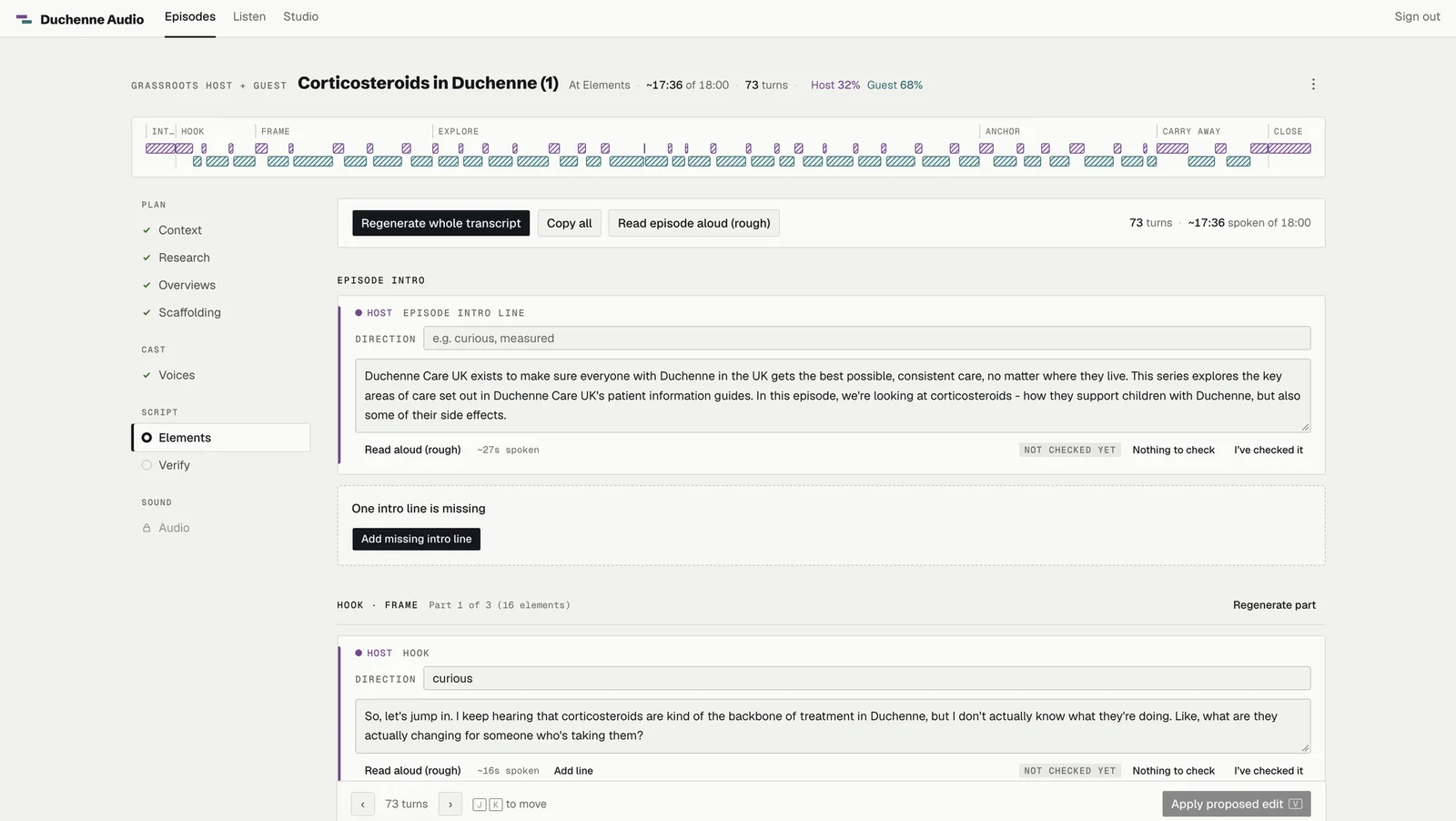
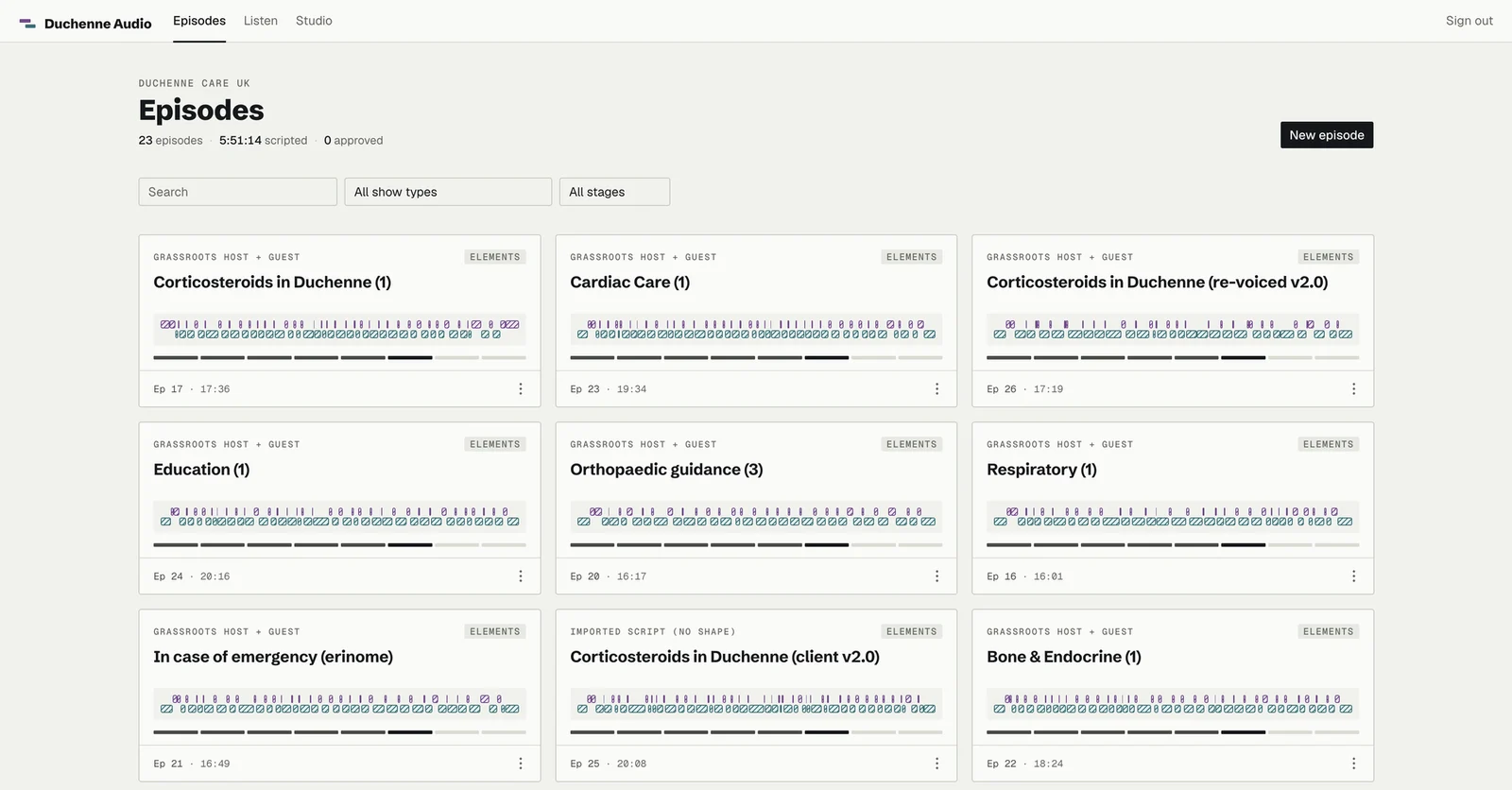
Read the case study →Dense written guidance for families living with Duchenne, turned into audio they can take in on the move.
Simulated patients that test real clinical judgement, not whether someone can pass a multiple-choice test.
Read the case study →Tell us the job, or grab a slot in the diary. Every message reaches us directly.